Material choice is usually made early, on the basis of strength or cost, and then never revisited. That is fine until the part needs a finish that only works on one alloy, or a tolerance that the material will not hold.
Aluminium 6061 vs 7075
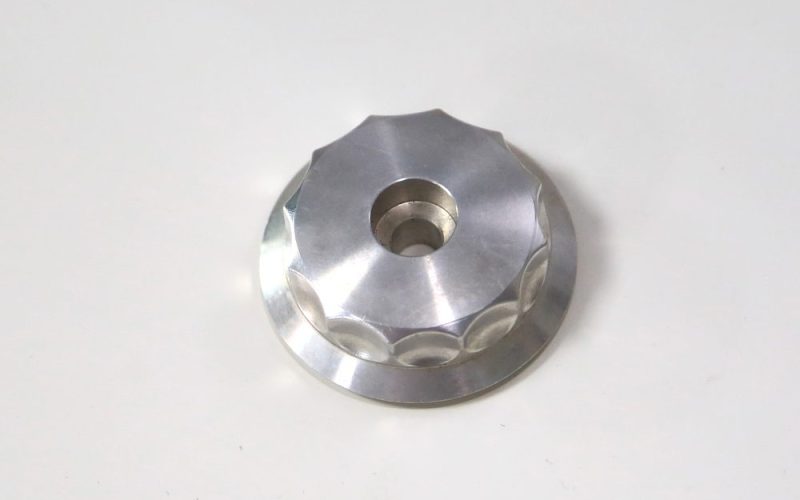
6061 machines well, anodizes predictably and is available everywhere. 7075 is stronger and machines to a better finish, but anodizing changes its colour slightly and it costs more. For a housing, 6061 is usually enough.
Stainless 304 vs 316 vs 17-4PH
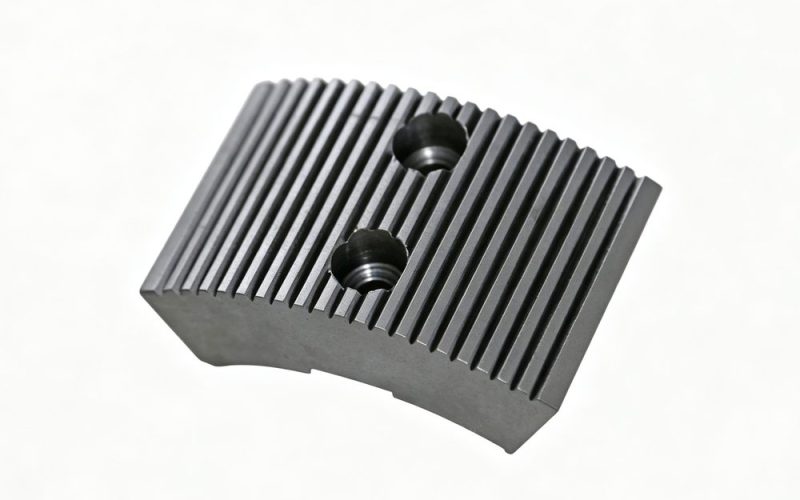
304 is the default. 316 adds molybdenum for chloride resistance — worth it in marine or medical cleaning cycles. 17-4PH can be hardened after machining, which suits parts that need wear resistance and a tight tolerance in the same feature.
Brass and copper
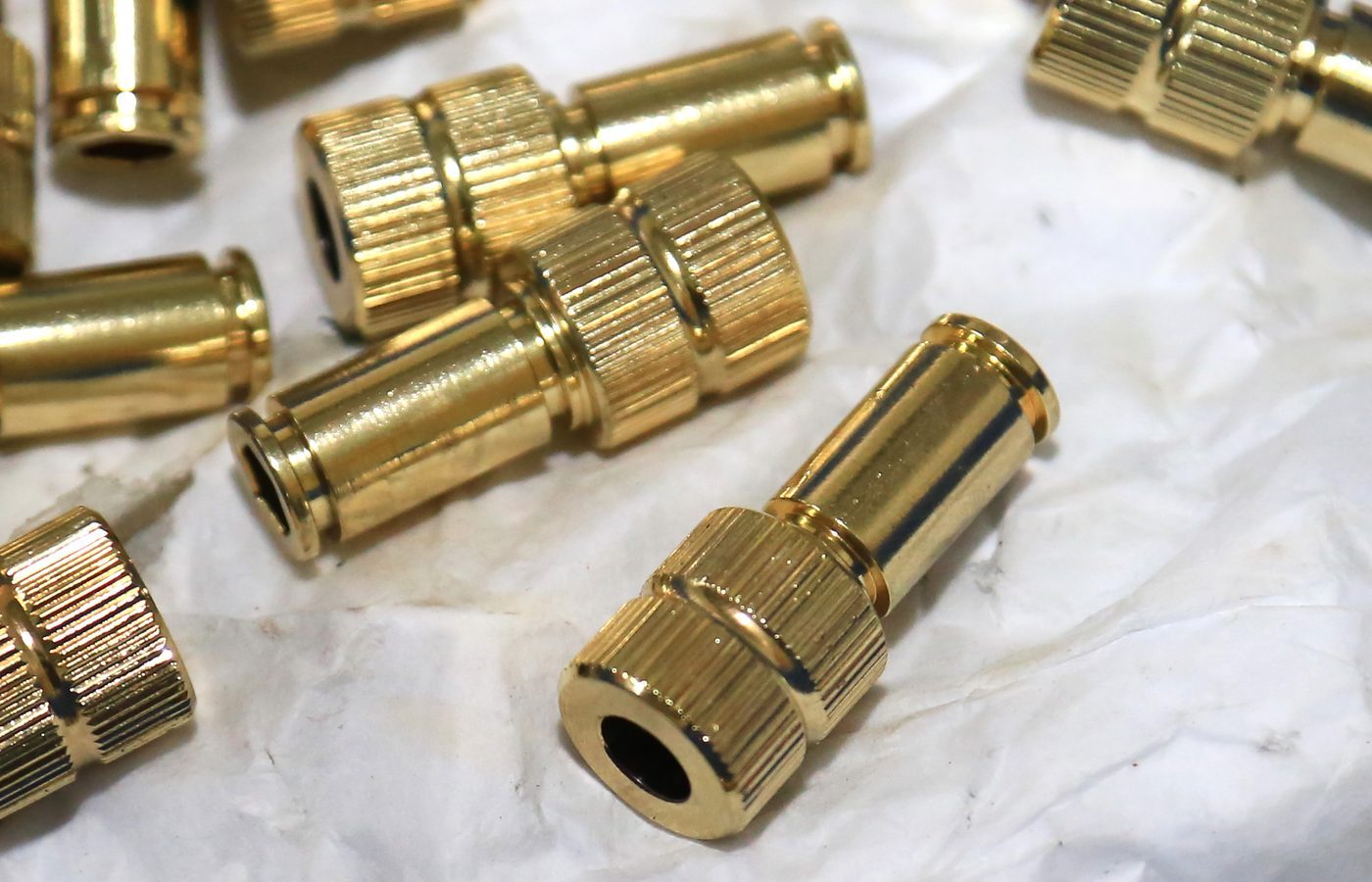
Brass machines faster than any steel and holds a fine finish, which is why it suits fittings and connectors. Copper is soft and gummy, and it is quoted with a machining allowance for the distortion it brings.
Engineering plastics
POM is dimensionally stable and machines cleanly. PEEK holds strength at temperature and costs accordingly. PTFE deforms under load, so a tolerance on a PTFE part has to be specified with the load in mind.